Solutions
Digital Printing Solutions Built Around Production Needs
Match scanning or single-pass digital printing to your order volume, artwork variation, board requirements and production flow.
PRODUCTION NEED / PRINTING ARCHITECTURE / SYSTEM FIT
Decision Inputs
Start with the production requirement
A packaging category alone does not determine the right printer. Begin with how work enters, changes and moves through production, then confirm the machine configuration against the job.
See how production patterns relate to packaging applications →
01
Order volume and continuity
Define typical batch sizes and whether production is flexible and intermittent or stable and continuous.
02
Artwork change frequency
Identify how often files, designs and specifications change between jobs.
03
Board size and throughput
Match working width, feeding range and target output to the corrugated board used in production.
04
Print mode and quality
Review required resolution, speed and application result together rather than treating one specification in isolation.
Solution 01 / Scanning
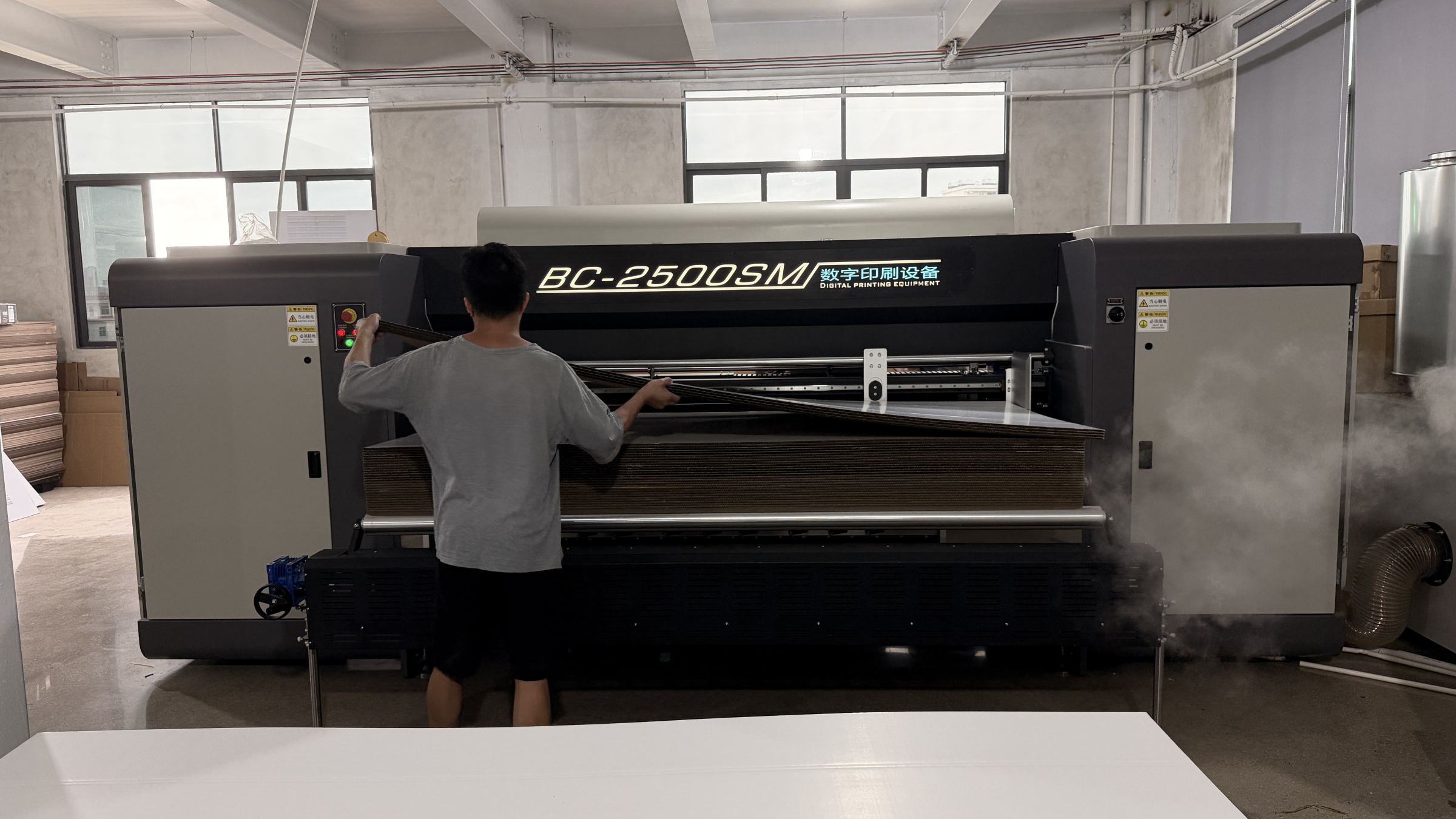
Flexible short-run production
For smaller batches, many designs, personalised output and frequent job changes.
A reciprocating print carriage supports a flexible order flow: digital files can change between jobs without preparing printing plates, while production can be organised around varied artwork and batch requirements.
Reciprocating print carriage
Solution 02 / Single Pass
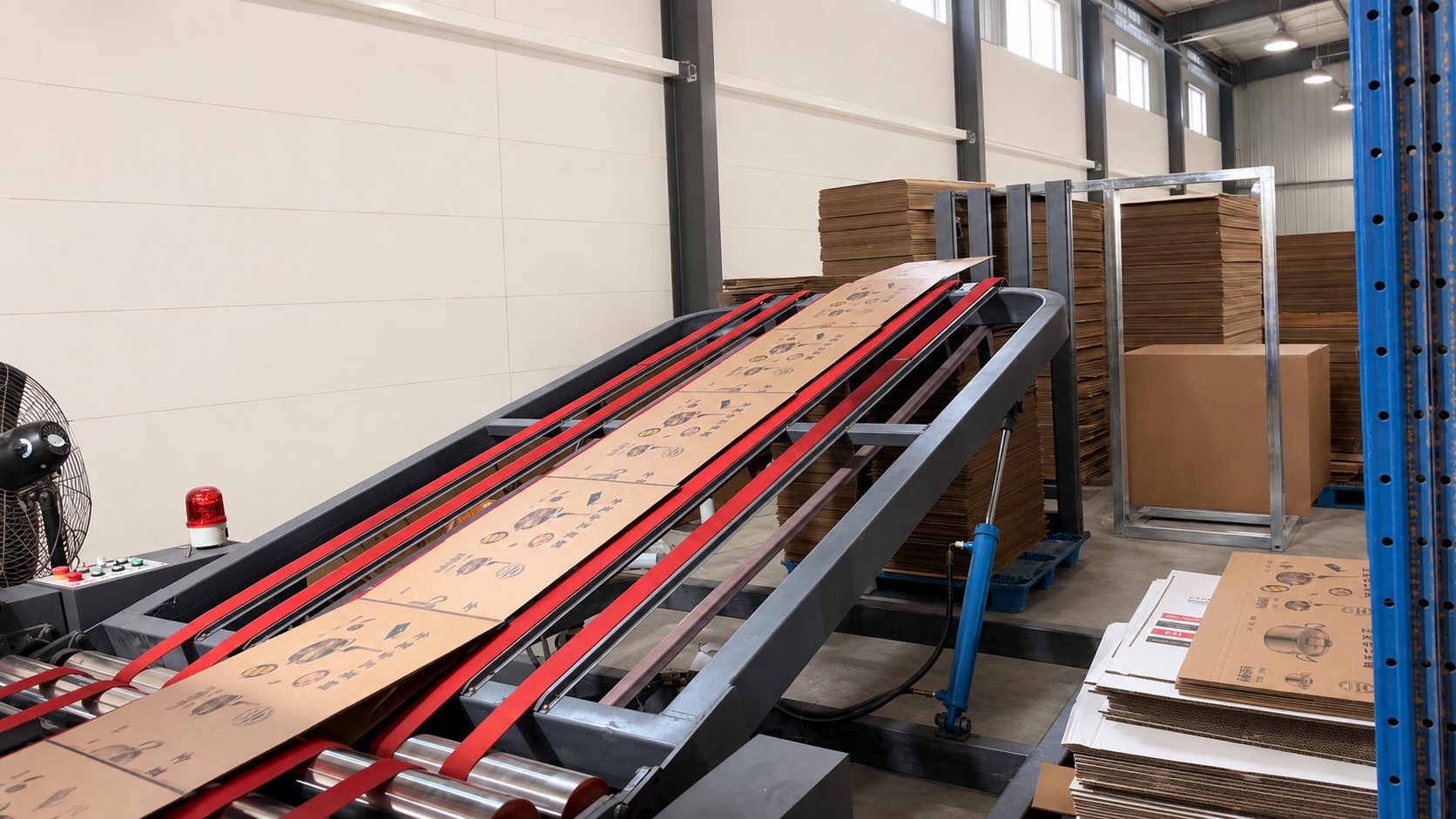
Continuous high-volume production
For larger stable runs, continuous board flow, higher throughput and fewer artwork changes.
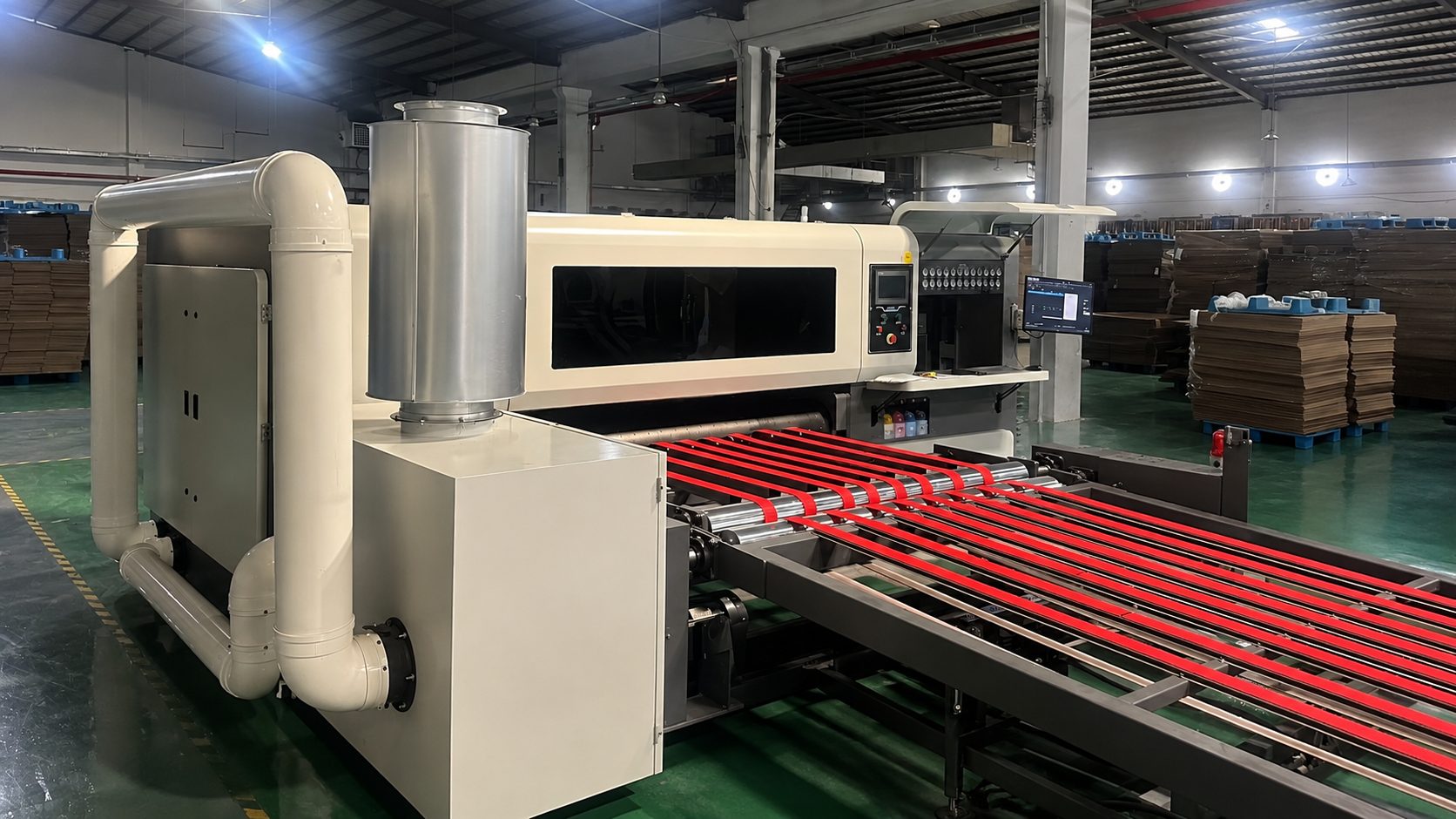
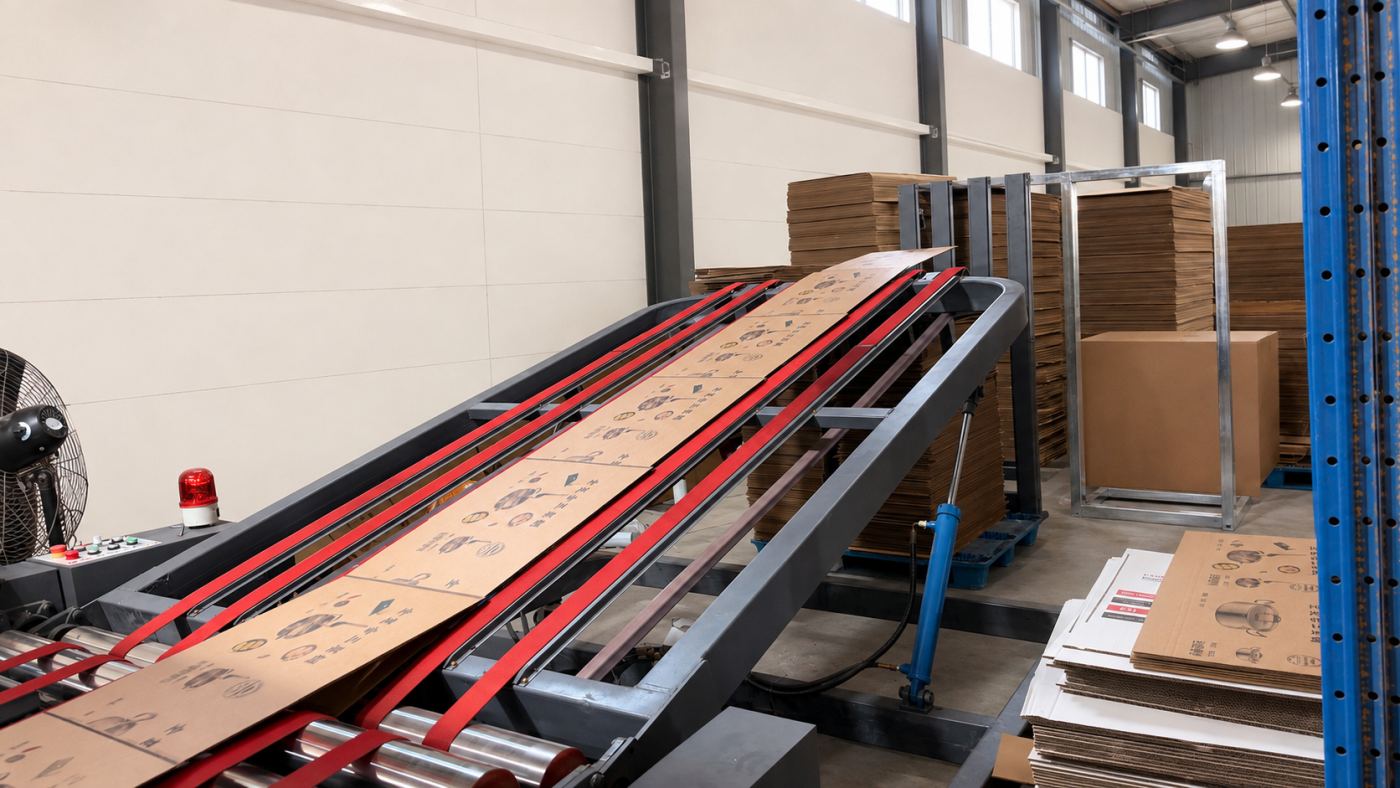
With printheads fixed across the printing area, corrugated board moves continuously beneath them. This architecture aligns with production where continuity and capacity are more important than frequent changes between short jobs.
Fixed printheads · continuous board feed
Solution 03 / Digital Workflow
Frequent artwork changes without printing plates
TYCHEN systems accept TIF or PDF files for direct digital printing. Removing the printing-plate step makes artwork changes part of the digital job workflow.
The production pattern still determines the architecture: choose the TYCHEN 2500 scanning system for shorter, frequently changing jobs, or evaluate the TYCHEN 1450 and 1800 single-pass systems when volume and continuous output are the priority.
Decision Guide
Match the production need to the printing system
This guide identifies the starting point for a product discussion. Final selection should also confirm board dimensions, required print mode and target output.
| Production need | Production pattern | Technology | Relevant product |
|---|---|---|---|
| Short runs and frequent changes | Smaller batches with repeated file switching | Scanning | TYCHEN 2500 |
| Personalised or multi-design jobs | Varied artwork across flexible orders | Scanning | TYCHEN 2500 |
| Stable, larger runs | Fewer artwork changes across repeated output | Single Pass | TYCHEN 1450 / 1800 |
| Continuous high-volume output | Continuous board movement and high-capacity flow | Single Pass | TYCHEN 1450 / 1800 |
Production Evidence
Two printing architectures in real production
Equipment selection becomes practical when it is connected to board movement, job changes and the required production rhythm—not an industry label alone.
Solution Review
Discuss your production requirements
Share your country, board size, typical order quantity, artwork-change frequency and target production speed.